
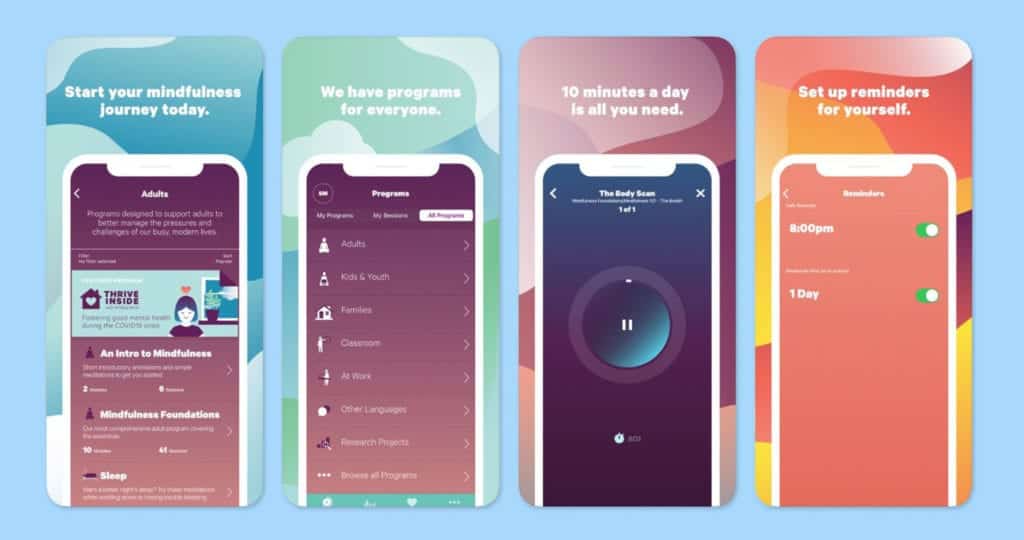
1. Smiling Mind
The Smiling Mind app is an evidence-based toolkit that helps adults and young people develop the skills to promote mental wellbeing. It aims to create generational change by inspiring lifelong mental fitness. It provides hundreds of information sessions, meditations, and activities to assist with a variety of life’s challenges, such as:
Sleep problems.
Daily stress.
Children’s emotional concerns.
The app is designed around its Mental Fitness Model, which was developed based on the work of psychologists and other professionals.
Check it out: Smiling Mind
2. Day One
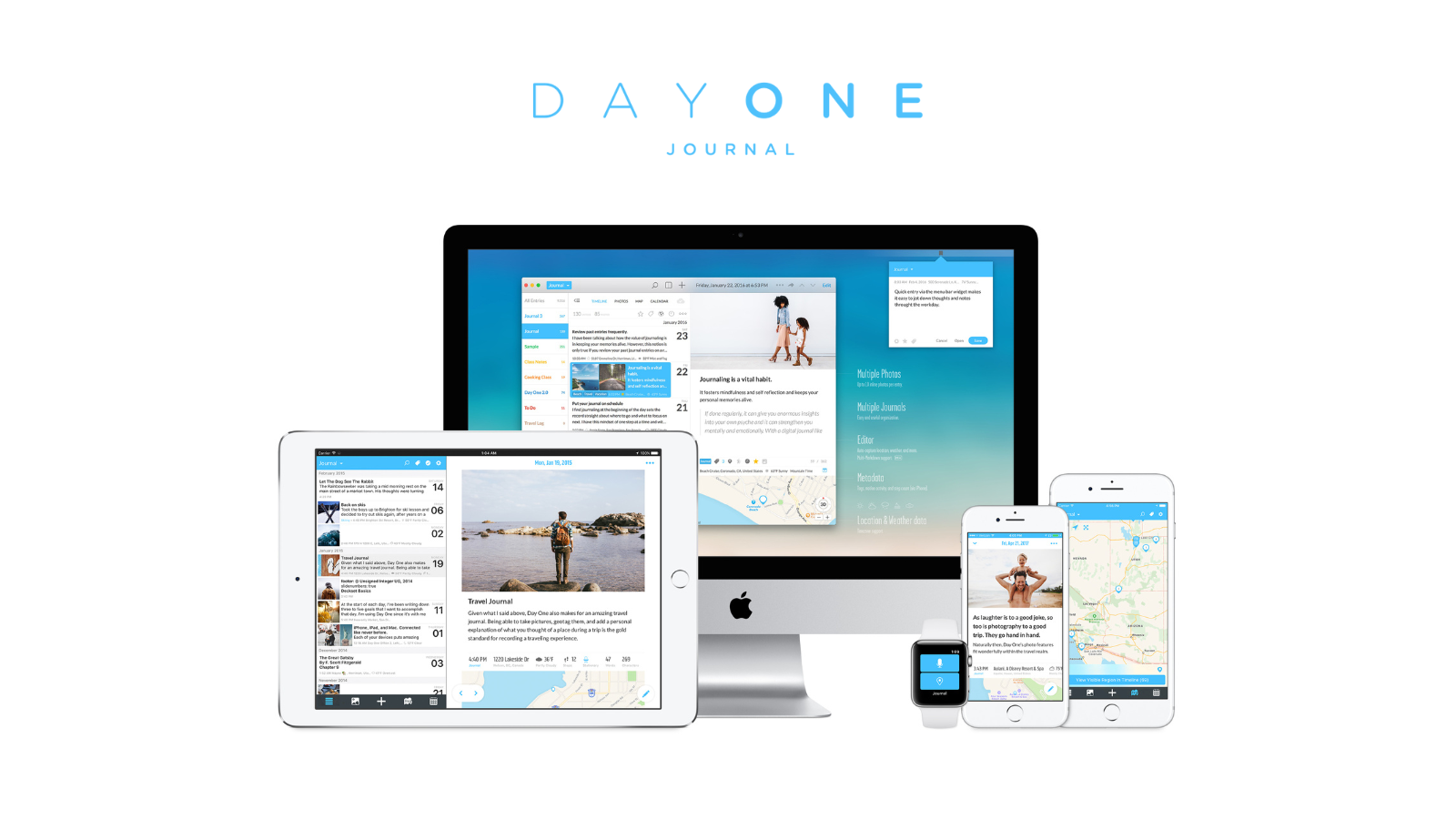
Day One is a personal journal that allows you to record your path with more than words. Capture your new life chapter post-separation in a variety of ways, including:
Text entries.
Voice recordings.
Photos and videos.
Handwritten entries using a stylus or your finger.
The app provides multiple layers of security and multi-platform support. Set reminders to stay in the habit and join Day One’s extensive journaling community. You can also interact with your journal in various ways, such as:
Reliving significant past moments with its ‘On this day’ feature.
Creating a printed book of your memories with Day One Book.
Following your trips through its map view.
Check it out: Day One

3. Calm
It’s common to experience difficulties sleeping after the anxiety of a separation. Calm is an app that promotes health and wellbeing through various research-based tools, including:
500+ sleep stories.
Soundscapes.
Guided sleep meditations.
When you begin to succumb to negative thoughts, its 60-second Breathe Bubble can help you relax. If you’re not sure where to begin, the app’s 7 Days of Calm introduces you to the basics of meditation. Their sleep stories are narrated by the soothing voices of celebrities, such as Matthew McConaughey, Jennifer Garner, and Idris Elba.
Check it out: Calm
4. Five-Minute Yoga
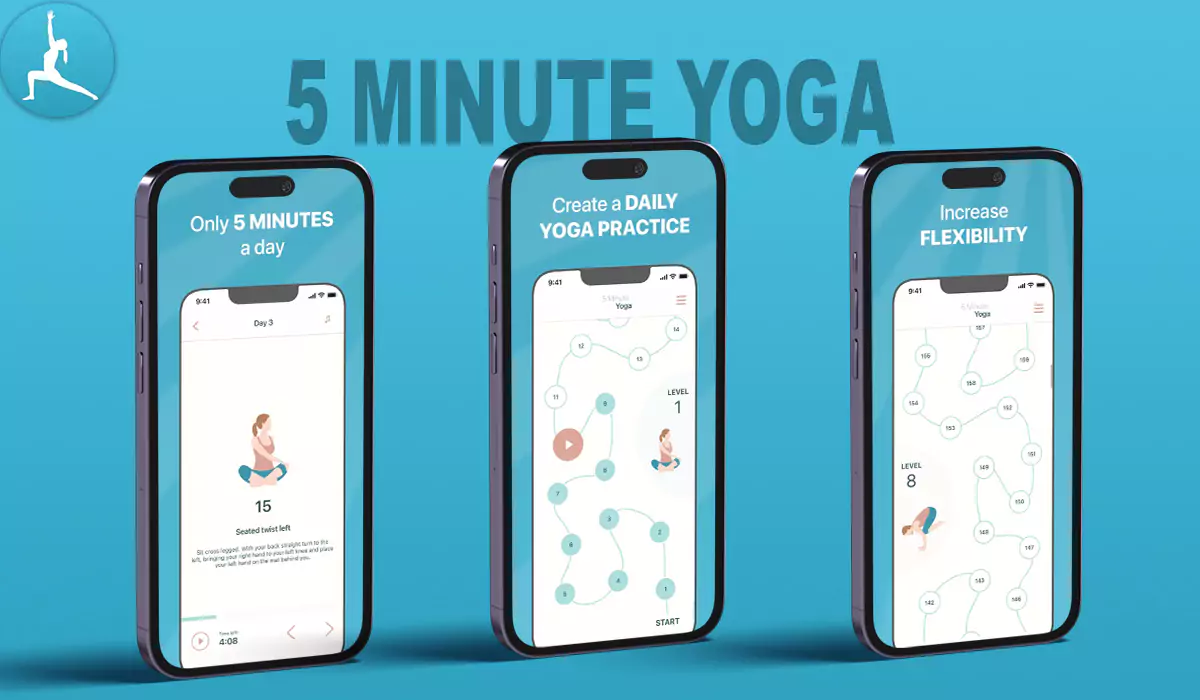
Staying active is a great way to cope with the stress and emotional difficulties of a relationship breakdown. Five-Minute Yoga helps you with daily workouts that you can easily fit into a hectic lifestyle. The poses are beginner-friendly and are accompanied by images and instructions to ensure proper form. An in-built timer ensures that each pose isn’t held for longer than necessary.
Doing yoga regularly helps with flexibility and increases strength and muscle tone. Exercises can be performed at home or at work during a break. Consistency can lead to long-term changes in fitness.
Check it out: Five-Minute Yoga

5. myCompass
myCompass is a self-help app developed for people concerned about the onset of anxiety or depression. The app can walk you through a self-assessment that gives you a better understanding of your mental health risks based on the symptoms you’re experiencing. You can learn strategies to manage feelings and behaviours that are causing you hardship.
The app developers find that active use for at least 7 weeks typically provides the best results. Over that time, you can engage with 14 interactive learning sessions. They’re based on strategies taught by mental health professionals and can be completed at any time.
Check it out: myCompass
6. OurFamilyWizard
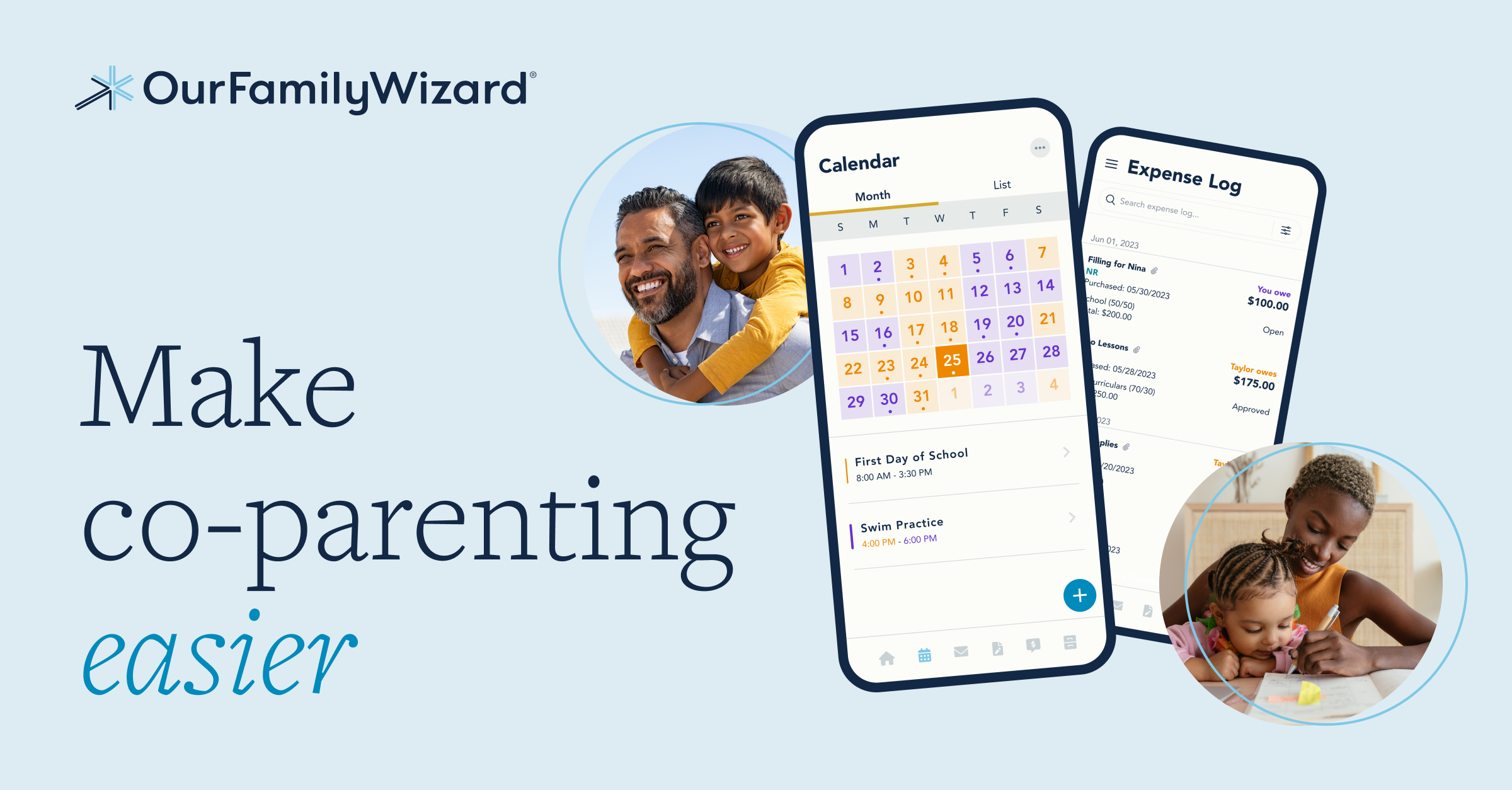
OurFamilyWizard is a popular coparenting tool. The app helps parents organise child-related matters effectively. It has several features that can be customised to suit your family’s needs. OurFamilyWizard includes programs, such as:
A secure messaging platform that allows parents to communicate while knowing that messages can’t be deleted or edited. This can be important for your records.
A calendar that helps keep track of appointments. Avoiding scheduling conflicts can streamline parenting arrangements.
Track shared expenses through a log that helps calculate costs for you. You can submit receipts and inform each other of incoming payments.
An info bank provides a place to keep your family’s important documentation. This could include medical histories, insurance paperwork, or other information.
A new ToneMeter AI helps you moderate your communication at times when emotions could be running high. This helps keep discussions respectful and productive.
Check it out: OurFamilyWizard

7. AIMhi Stay Strong App
This app helps First Nations Australians address mental health and wellbeing concerns through a cross-cultural approach. It’s typically used by health and community service providers in a client session. The app was developed in collaboration with the Aboriginal and Islander Mental Health Initiative (AIMhi).
The program is designed to deliver low-intensity interventions that are visually appealing and relevant to the client’s cultural needs. It’s backed by 15 years of research. Service providers help clients review their strengths, concerns, and any changes they would like to make.
Check it out: AIMhi Stay Strong App